
How to Find Who Owns an Alexandria Property
Begin with the address. Pull up the Alexandria assessment record first. Then carry the parcel identifiers into a deed search at the Clerk's index. The Office of Real Estate Assessments supports lookup by address, account number, or map number. It offers no owner-name tab. The tax roll gives the current tax-side name and mailing address. The Clerk's recorded instrument proves the latest filed transfer. Keep both open. Each source updates on its own schedule. The two can disagree for weeks after a sale.
- Search the situs address in Real Estate Assessment Search.
- Copy the owner, mailing address, account number, map number, and any sale reference.
- Find the newest deed in COVERS and compare grantee, legal description, and record date.
- If title is vested in an entity or trust, check the relevant public entity or court record for context.
Alexandria Owner Records Can Lag a Recent Deed
Timing explains most mismatches. The assessment search refreshes its assessment data each Friday. It refreshes its tax details every business day. A sale derived from Clerk records can take roughly 30 days after recording to reach the assessment sales table. A newly recorded deed may name one grantee. The assessment screen may still show the prior tax-roll owner. The lag is an estimate. It is not a guaranteed processing time. When names differ, line up three things: the deed's recording date, the assessment refresh date, and the parcel's account or map number. For the question of who owns the property by recorded transfer, the Clerk's newest matching deed beats a stale roll entry. For the current tax-roll owner field, the assessor stays the custodian. Never collapse a grantee, tax-roll owner, mailing recipient, permit applicant, and occupant into a single label. Lawful reasons can make each of them a different person or entity.
Check the Legal Locality Before Searching
An Alexandria postal address proves little about legal locality. Some property carrying an Alexandria mailing location actually sits in Fairfax County. If the City assessment system returns no matching parcel, confirm the legal jurisdiction first. Then run the same name search again. A parcel in the Alexandria portion of Fairfax County is recorded in Fairfax Circuit Court. So an Alexandria-only search of the Clerk's records could miss the instrument entirely. Read the assessment jurisdiction, map number, and deed legal description together. A ZIP code or post-office label is a delivery clue, not a boundary determination. An old annexation line can also explain why an early deed names a different place. This locality check is central to finding who owns an address in the Alexandria area. It prevents a false no-record conclusion drawn from the wrong court or assessor.
Where Alexandria Owner Information Appears
Alexandria owner information lives in two places. The tax roll holds one version; the recorded land records hold another. A GIS map can tie the address to a parcel, and the state business database can decode an entity name. Each has a limit. A map is not a deed. An entity page does not prove land ownership, and an assessment name can lag behind a transfer.
| Source | Owner Info It Gives | Access |
|---|---|---|
| Assessment roll | Tax-roll owner, situs and mailing, values, sale links | Public address, account, or map search |
| Clerk's deed index | Recorded grantee and instrument reference | COVERS image access or courthouse terminal |
| Parcel Viewer | Map shape and link to assessment details | Public GIS viewer, informational lines |
| SCC entity search | Business filings and registered-office context | Virginia Clerk's Information System |
Labels matter here. The assessment owner is a tax-roll entry. A grantee is named in one specific recorded instrument. Neither field identifies the current occupant with any certainty. A mailing address may simply be where tax notices go, and a permit applicant may be a contractor or agent. Write the source label next to every name in your notes.
Alexandria Property Ownership May Use an LLC or Trust
A deed can vest title in a limited liability company, a trustee, a trust, an estate, or several co-owners. The name on the assessment record may be an entity rather than a person. For an LLC, Virginia's SCC Clerk's Information System can surface filings, trade names, and registered-agent details. That context helps. It does not automatically reveal every beneficial owner. Nor does it prove the entity's stake in the parcel. If the deed names a trustee, search the trustee and the trust name separately. If an executor or administrator signed, the related estate case can identify the decedent and the signer's authority. A name match in a company database is only a lead. Tie it back to the recorded instrument and its legal description. Only then treat it as the answer to who owns the land. The official Virginia SCC Clerk's Information System offers entity and filing searches from its state business-search page.
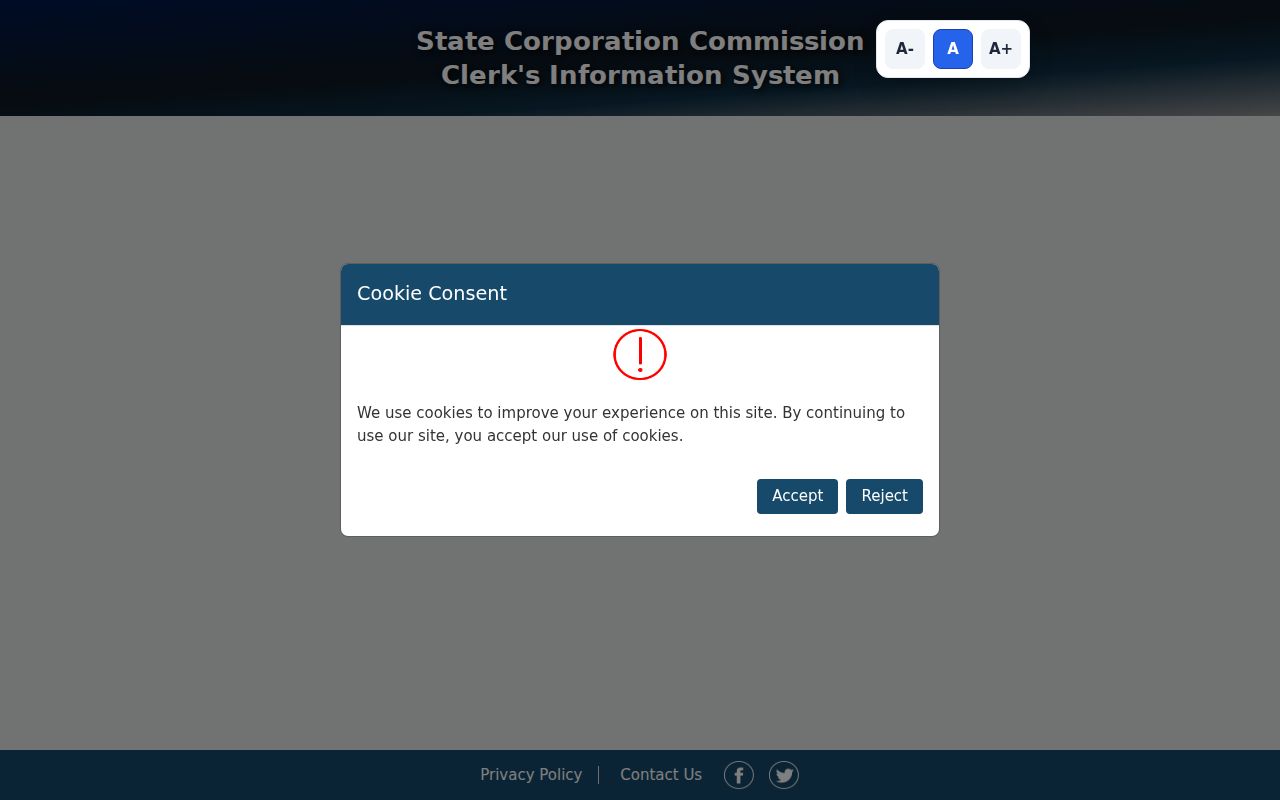
Treat the state filing as context. Keep the recorded Alexandria instrument as the land-transfer source.
Alexandria Entity Records Do Not Name Every Beneficial Owner
An assessment roll or deed in Alexandria often lists an LLC rather than a person. When that happens, the Virginia SCC filing supplies the entity's public registration details. It also gives the registered-agent contact. Treat that filing narrowly. A registered agent receives official notices. The role does not make the agent an owner, manager, or occupant. The filing is not a complete list of the natural people who benefit from the property.
Trust vesting deserves the same caution. The deed may name a trustee and the trust itself. The rest of the trust terms stay outside the basic assessment card. In an estate transfer, the executor or administrator acts in a defined legal capacity. Search those names to understand the record. Then use the deed and the relevant court file. That verifies what the role actually is.
So who owns the parcel? The most accurate answer is usually the entity or trustee named on the latest matching deed. Pair it with a clear note about what the state business record does and does not show.
Confirm Who Owns It with the Latest Matching Deed
An assessment owner name is only the starting point. Use the deed index to test whether that name matches the latest recorded transfer. Search the likely grantee. Check the document date and instrument type. Then compare the legal description and parcel reference against the assessment account. Be careful about what counts. A deed of trust, mortgage, assignment, or release is not an ownership conveyance. A refinance can create a newer financing instrument without changing the grantee at all.
For each candidate, record the details that matter. Note the instrument type, grantor, grantee, record date, book/page or instrument number, consideration if shown, legal description, and parcel number. The instrument image may not be available remotely. The Clerk's counter or copy-by-mail process is a fallback. Do not stop at a search-result label. An index hit can point to a same-name party or to a different parcel entirely.
The latest matching deed confirms what was recorded for that legal description. It cannot guarantee that no unrecorded agreement or title defect exists.
A Virginia Voter Portal Is Not an Owner Search
Virginia's Citizen Portal exists for one purpose. It lets a registered voter check that voter's own status. The state requires a name, date of birth, and the last four digits of a Social Security number. It also requires a locality and a certification. The result can show the requester's registration status and polling place. It can show districts, absentee status, and voting history too. It is not a public address-to-owner index. It should never be used to look up another person's private registration details.
The official Virginia Voter Information Portal is separate from Alexandria assessment and deed records. Its sign-in screen is a reminder that identity and certification are built in. They are part of this self-service route.
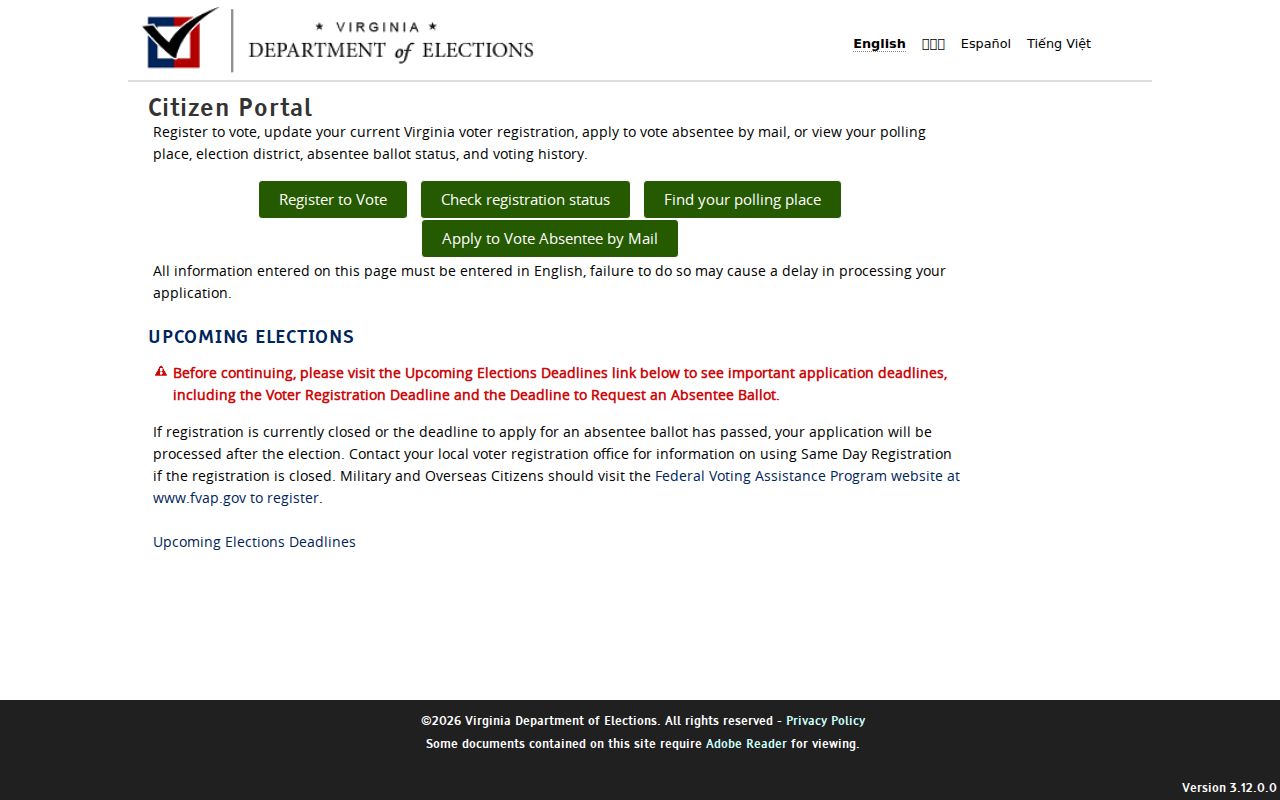
Do not enter another person's identity information into that self-service form.
What an Alexandria Owner Lookup Cannot Establish
An Alexandria owner lookup answers one question. It names the owner of record on the deed and tax roll. It does not tell you who currently lives at the property. It will not explain why a mailing address differs from the site address. And it cannot say whether a person is open to contact. Virginia's Address Confidentiality Program gives eligible participants a designated address and mail forwarding. Even so, it is not a general opt-out from every public record. Agencies may hold statutory exemptions, and a court order can disclose an actual address. Anyone with safety concerns should consult the program directly. They should not assume that changing a tax mailing address removes all public traces.
Lawful use. Use Alexandria owner information for property research and due diligence. Do not use a name or address to stalk, harass, threaten, or harm anyone.